Milan gets a bad reputation sometimes. People say it is cold, it is work obsessed, it is not the real Italy. I disagree. And if you want to see why, come in December.
The city transforms. The lights go up along Via Monte Napoleone and Corso Vittorio Emanuele. The giant tree appears in Piazza Duomo. The smell of roasted chestnuts drifts through the streets. And the Oh Bej Oh Bej market takes over Castello Sforzesco with food and crafts and a festive chaos that has been happening since the 1200s.
This is also when Milan remembers its patron saint. December 7 is Sant'Ambrogio, a local holiday, and the whole city celebrates. La Scala opens its opera season with a premiere that makes international news. People actually take time off. The aperitivo crowds linger longer.
Three days is enough to see the Christmas markets, eat well, visit the main sights, and understand why those of us who live here actually love this city.
Day by Day
Day 1: The Duomo, the Markets, and the Galleria

Location: Centro Storico
The Day:
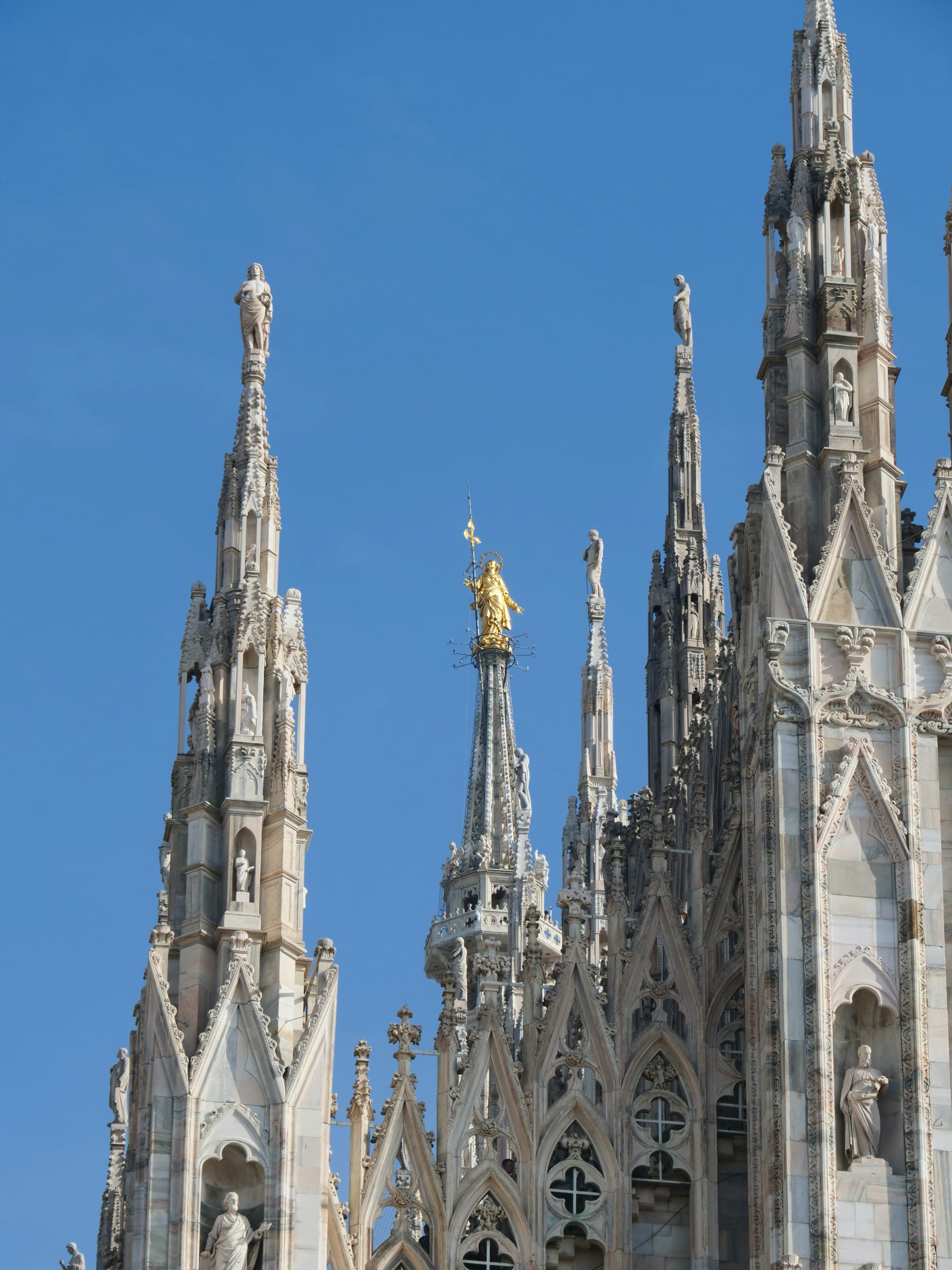
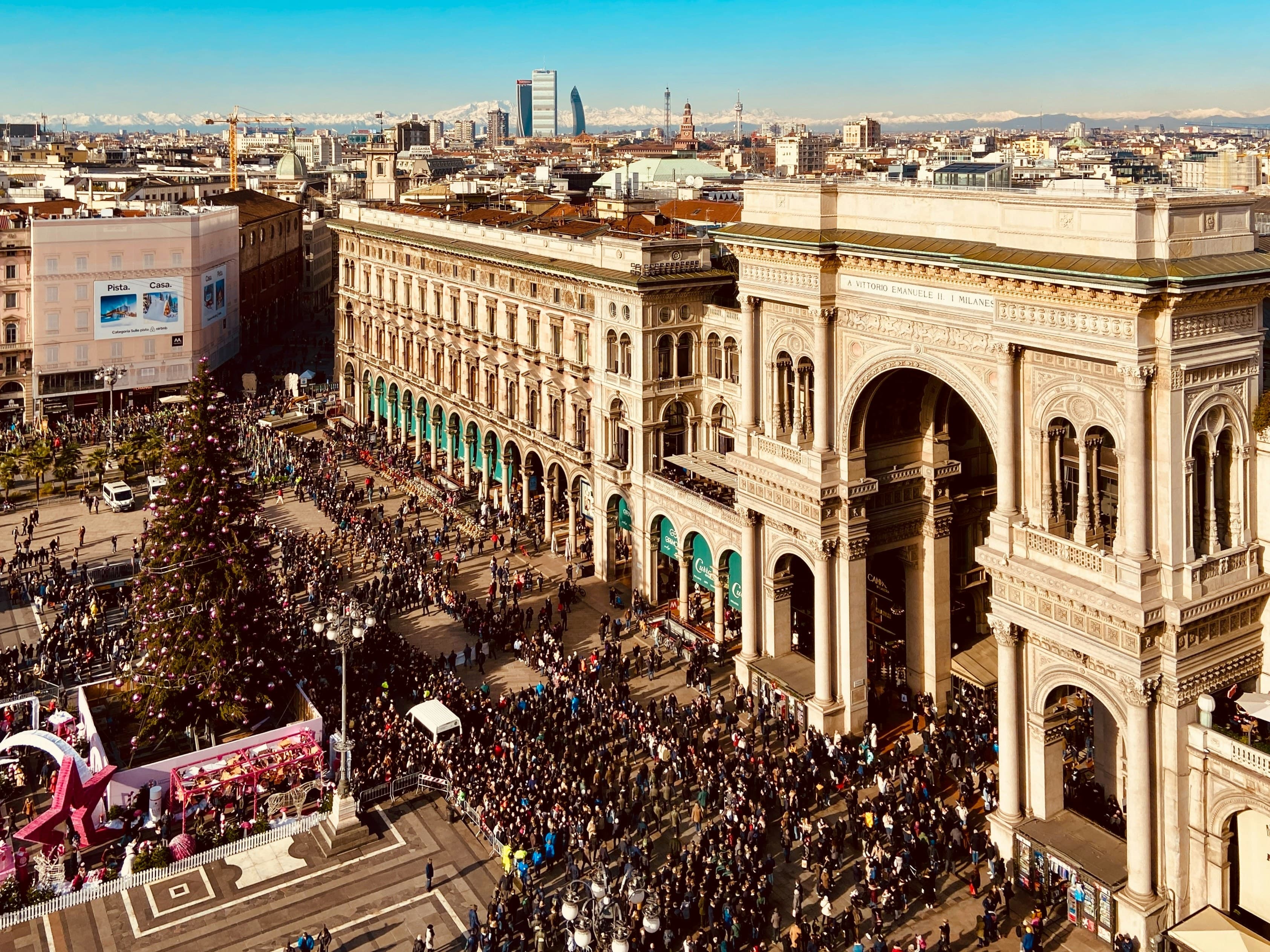
Start at Piazza Duomo. The Christmas market wraps around the cathedral from early December through January 6. Wooden huts sell ornaments, food, gifts. The quality varies but the setting is spectacular. The enormous Christmas tree goes up in front of the Duomo and gets lit around December 5 or 6. If you are here for the lighting ceremony, expect crowds.
Go inside the Duomo if you have not been. Book a timed ticket in advance to skip the line. Climbing to the terraces is worth it for the views over the market and the city.
Walk through Galleria Vittorio Emanuele II, the grand arcade next to the Duomo. At Christmas there is a second tree inside, usually sponsored by a fashion house. The windows of Prada and Louis Vuitton get decorated. Find the mosaic bull on the floor and spin your heel on it for luck. Everyone does this.
For lunch, try Luini on Via Santa Radegonda. It is a tiny shop famous for panzerotti, fried dough pockets filled with tomato and mozzarella. There is always a line but it moves fast. Eat standing in the street like everyone else.
In the late afternoon, walk to Pasticceria Marchesi on Via Santa Maria alla Porta. This is one of Milan's oldest pastry shops, open since 1824. Get a slice of panettone and a coffee. Panettone was invented in Milan and December is when you should eat it. Marchesi makes one of the best in the city.
End the day with aperitivo. Milan invented the concept of free food with your evening drink. The Navigli canal district has dozens of bars. Mag Cafè on Ripa di Porta Ticinese is one I like. Order a Negroni, watch the lights on the water, and let the evening unfold.
Day 2: Oh Bej Oh Bej and Castello Sforzesco

Location: Castello Sforzesco area and Brera
The Day:
If you are here around December 7, do not miss the Oh Bej Oh Bej market. It surrounds the Castello Sforzesco and has been running since the 1200s. The name means "oh beautiful, oh beautiful" in Milanese dialect. It is chaotic and crowded and wonderful. Stalls sell antiques, crafts, roasted chestnuts, firunatt (strings of smoked chestnuts), vin brulé. This is Milan at its most festive.
The market typically runs December 5 through 8. If you miss it, the Castello is still worth visiting. The Sforza Castle houses several museums including Michelangelo's final sculpture, the Rondanini Pietà. The surrounding park, Parco Sempione, is nice for a winter walk.
For lunch, head to the Brera neighborhood. This is the art district, full of galleries and boutiques. Pisacco on Via Solferino does good Italian food in a modern setting. Or try Latteria San Marco on Via San Marco, a tiny family run place with simple traditional dishes. Book ahead because it is small.
Spend the afternoon wandering Brera. The Pinacoteca di Brera is one of Italy's best art museums. The streets are decorated for Christmas and quieter than the Duomo area. Stop at Jamaica on Via Brera for a coffee. It is a historic bar where artists and writers used to gather.
For dinner, go to Trattoria Milanese on Via Santa Marta. It has been open since 1933 and serves classic Milanese food. Get the risotto alla Milanese or the cotoletta. Both are local specialties and both are excellent.
Day 3: Navigli, Modern Milan, and Panettone Shopping

Location: Navigli and Porta Nuova
The Day:
Start the day at Pavé on Via Felice Casati for breakfast. It is a bakery that takes croissants seriously. They also make excellent panettone if you want to buy one to take home.
Then head to Porta Nuova, the modern district where the skyline has changed dramatically in the last decade. Piazza Gae Aulenti is surrounded by sleek towers including the Bosco Verticale, the vertical forest buildings covered in trees. There is a French Christmas market here some years with oysters and champagne. Even without the market, the contrast between old Milan and new Milan is interesting.
Take the metro down to the Navigli canals. On Sunday mornings there is a flea market along the water that is good for browsing. The area has Christmas decorations strung over the canals and a nice atmosphere at night.
For lunch, try Taglio on Via Vigevano. Good sandwiches and salads, casual and affordable. Or walk a bit further to Erba Brusca, a restaurant with a garden that focuses on seasonal ingredients. It is a bit outside the center but worth it.
Spend the afternoon doing your panettone shopping. This is serious business in Milan. Pasticceria Cucchi on Corso Genova is another historic option. Cova in the Galleria is the oldest. Martesana near the Navigli makes creative versions. Buy one to eat and one to bring home.
For your last evening, have aperitivo at Ceresio 7 if the weather is clear. It is a rooftop bar with a pool and views over the city. The drinks are expensive but the setting is beautiful. Then find somewhere cozy for dinner. Ratanà near Porta Nuova does excellent modern Milanese food using local ingredients.
Before You Go
Best time for Christmas in Milan: The city is decorated from late November but the real Christmas atmosphere starts around December 7 with the Sant'Ambrogio holiday. The Oh Bej Oh Bej market is December 5 through 8. Markets and lights continue through January 6.
What to book ahead: Duomo tickets with terrace access. La Scala if you want to see a performance. Popular restaurants especially on weekends. The Last Supper requires booking months in advance any time of year.
Budget tips: The Christmas markets are free to walk through. Panzerotti at Luini cost a few euros. Aperitivo with free food is a Milan tradition that helps stretch your dinner budget. The metro is cheap and efficient.
Weather: December in Milan is cold. Expect temperatures between 0 and 8 degrees Celsius. It can be foggy. Dress in layers and bring a warm coat.
Getting around: The metro has four lines that cover most of the center. Trams are charming and useful. Walking works well once you are in the historic center. Do not try to drive.
What to eat: Risotto alla Milanese (with saffron), cotoletta alla Milanese (breaded veal cutlet), panettone everywhere. Ossobuco is a local specialty. For street food, panzerotti from Luini. For aperitivo, Negroni or Spritz with whatever food the bar puts out.
Panettone to buy: Marchesi for classic elegance. Pavé for modern quality. Cucchi for old school tradition. Cova for history. Martesana for creative variations. Expect to pay 35 to 50 euros for a good one kilo panettone.
Last note from the author:
Milan on December 7 is special. It is the feast of Sant'Ambrogio, the patron saint. La Scala opens its season with a premiere that gets broadcast across the city. The Oh Bej Oh Bej market is at its peak. If you can time your visit for this day, do it.
Also, Milanese people may seem reserved at first but they warm up. Ask for recommendations at the pasticceria. Tell the bartender you want to try real panettone. Show genuine interest and you will get genuine warmth back.
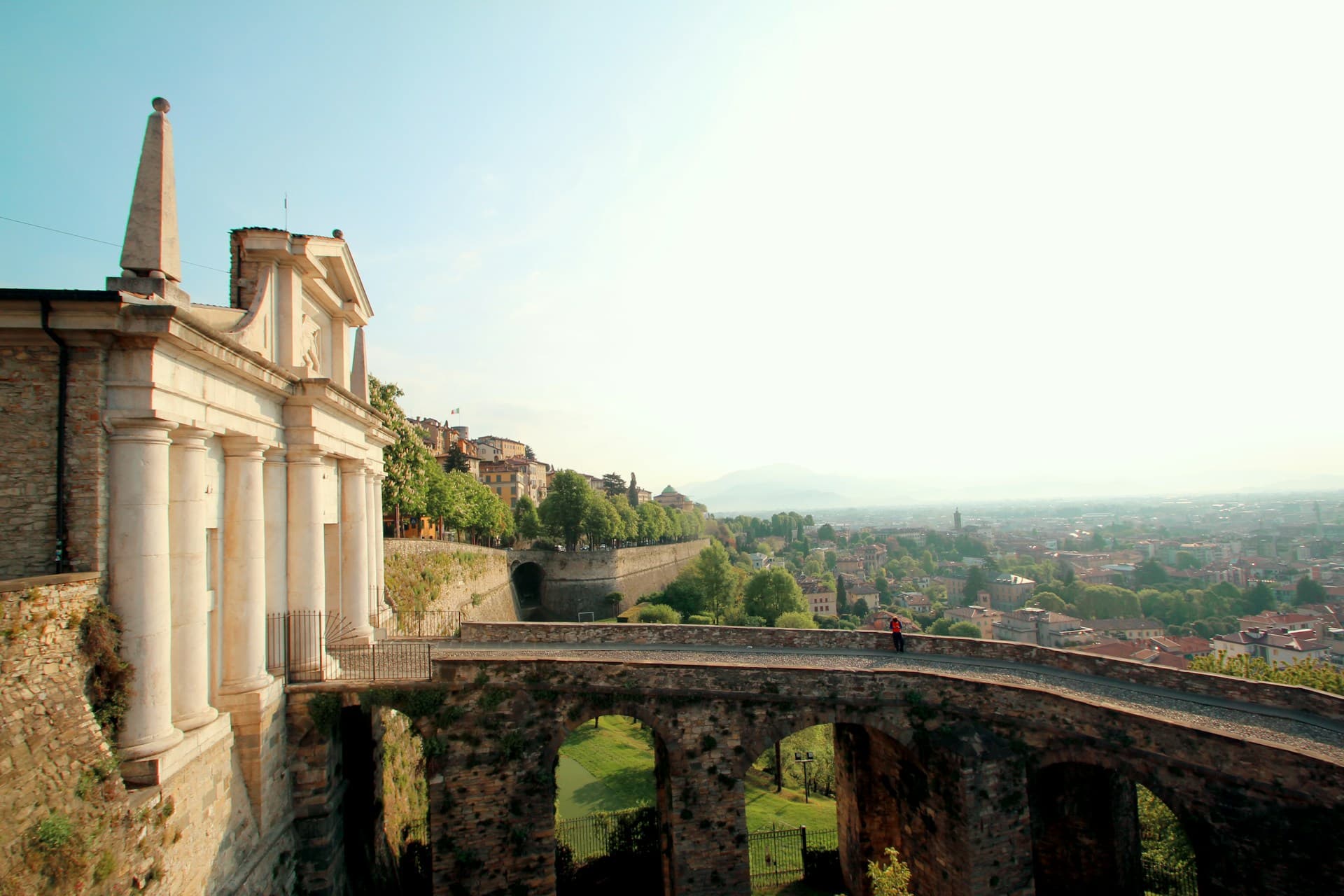
One more thing. If you have extra time, take a day trip to Bergamo or Lake Como. Both are easy to reach by train and both are beautiful at Christmas with their own markets and decorations. But honestly, three days in Milan is plenty. There is more here than most people realize.