Most travelers fly into Rome, spend a week in the centro storico, and leave thinking they've seen Lazio. They haven't. The region surrounding the capital holds volcanic crater lakes, Etruscan tombs older than the Colosseum, waterfalls hidden in forested gorges, and hilltop villages where locals still gather for the evening passeggiata.
This 4-day itinerary takes you through my favorite parts of Lazio. You'll hike along ancient paths, swim in some of Italy's cleanest lakes, eat in family-run trattorias that Romans escape to on weekends, and explore landscapes that most tourists never discover. You can base yourself in Rome and do these as day trips, or stay overnight in the Castelli Romani or Lake Bracciano area for a slower pace.
Bring good walking shoes. Download offline maps. And leave your itinerary loose enough for a long lunch.
Day 1: The Castelli Romani

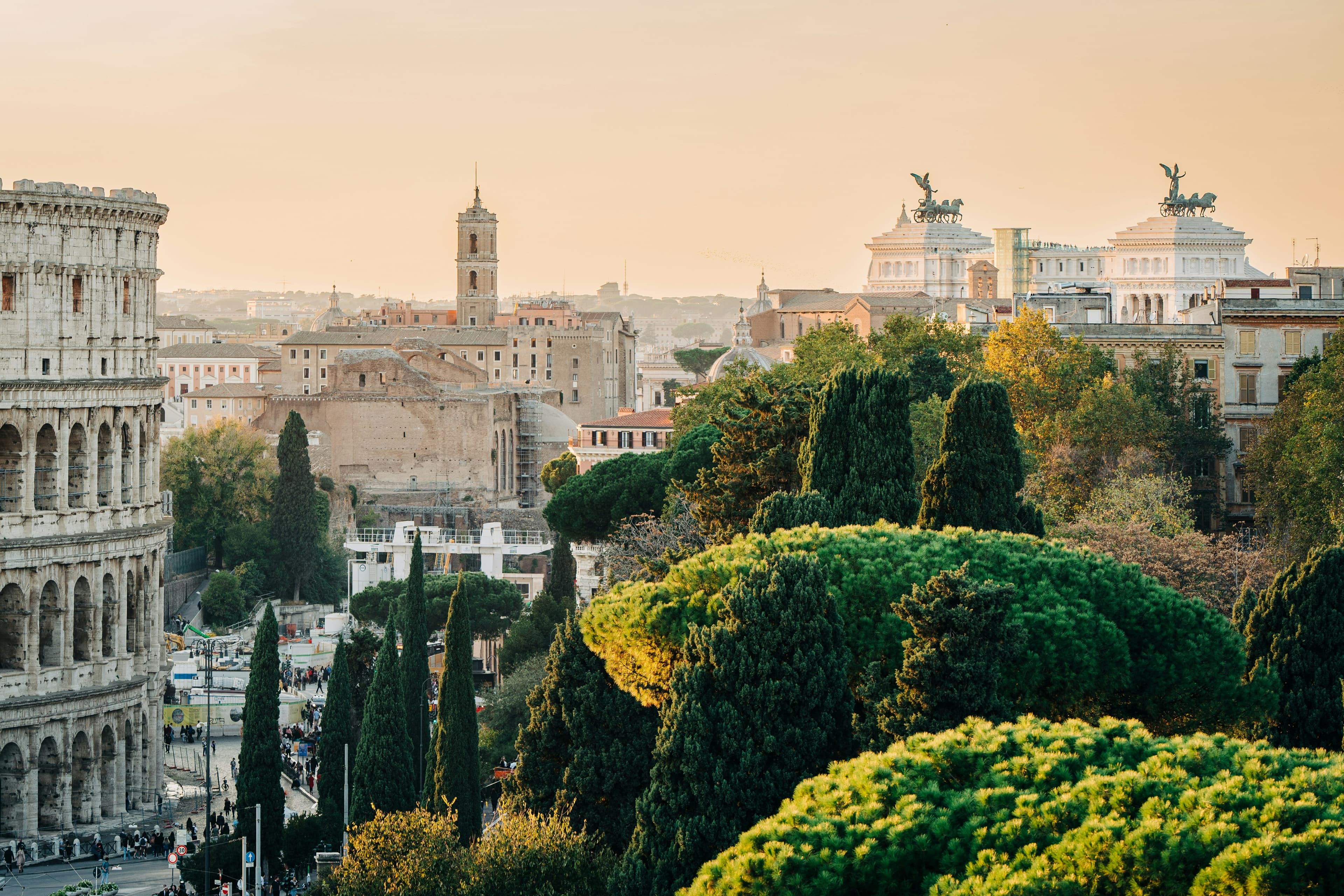
The Castelli Romani sit on the slopes of ancient volcanic craters about 20 kilometers southeast of Rome. Romans have escaped here for centuries. The air is cooler, the wine flows freely, and the trattorias serve the kind of food you remember.
Castel Gandolfo is a good place to start. This small town perches on the rim of a volcanic crater overlooking Lake Albano. It was the pope's summer residence until recently, and the Papal Palace and Gardens are now open to the public. Bernini designed the fountain and church in the main square. From town, a path leads down to Lake Albano where you can walk the lakeside trail or rent kayaks in summer. The water is volcanic and clean.
For lunch, Trattoria Lo Spuntino on Via Oratorio has outdoor tables overlooking the lake. Family-run, generous portions, honest prices. Ristorante Pagnanelli is more refined and has been serving local cuisine since 1882.
From Castel Gandolfo, it's a short drive or bus ride to Nemi, one of the smallest and prettiest towns in the Castelli. It sits on another volcanic crater lake and is famous for its fragoline di bosco, tiny wild strawberries with intense flavor. The shops and cafes serve them in everything. Walk down to Lake Nemi if you have time. The Museo delle Navi Romane at lake level houses remains of massive pleasure barges Emperor Caligula built in the first century AD.
Before heading back, drive up to Panorama dal Monte Cavo for views of both volcanic lakes side by side. On clear days you can see the sea.
End the day in Frascati, the most famous of the Castelli towns. This is wine country. Find a fraschetta, the traditional wine bars that serve local wine with antipasti. Osteria Fraschetta Trinca on Via Balilla is the real thing. Order a carafe of house wine, some pecorino romano, local salumi, and porchetta. Let the evening stretch.
Getting there: Regional trains run from Roma Termini to Castel Gandolfo (about 40 minutes) and Frascati.
Day 2: Lake Bracciano

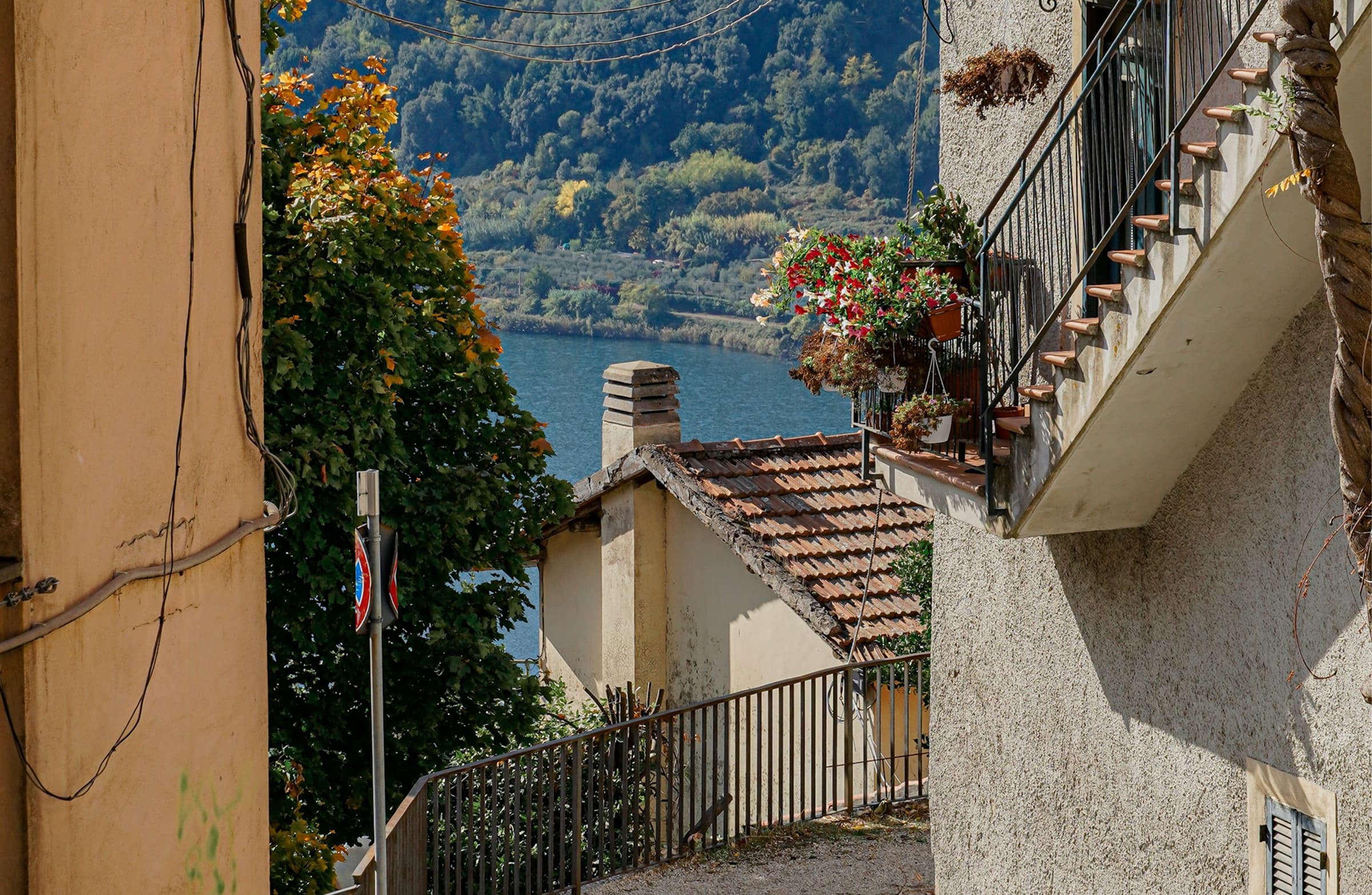
Lake Bracciano is a volcanic lake northwest of Rome. Motorboats are banned here because it serves as an emergency water supply for the city. The result is some of the cleanest lake water in Italy. Swans glide across the surface. The pace is slow.
The town of Bracciano is dominated by the 15th-century Castello Orsini-Odescalchi, one of Italy's best-preserved medieval fortresses. You can tour the interior with an audio guide, exploring frescoed halls, armories, and towers with sweeping lake views. The cobblestone streets of the centro storico are worth wandering after.
Anguillara Sabazia, another lakeside town built on a cliff, is the starting point for a walk to Lake Martignano, a smaller, wilder lake tucked behind Bracciano. The trail is about 5 kilometers each way, mostly flat, with views of both lakes. Lake Martignano has no development around it. Bring a picnic. In summer, the water is perfect for swimming.
Trevignano Romano on the lake's north shore is where locals eat. The promenade is lined with restaurants and cafes. Acquarella sits right on the water with its own small pier. The family has run it for three generations. The coregone (whitefish) grilled simply is excellent. La Vela is good for aperitivo as the sun goes down.
If you have a car and want something unusual, Canale Monterano is about 20 minutes from Bracciano. This abandoned village sits in a nature reserve, its baroque church and castle ruins draped in ivy. Sulfur springs steam nearby. Hiking trails wind through the surrounding woods.
Getting there: Take the FL3 regional train from Rome to Bracciano (about an hour). The historic center is a 10-minute walk from the station. A car helps for exploring the smaller towns.
Day 3: Cerveteri and the Waterfall Gorge

Today combines two of Lazio's treasures: the ancient Etruscan necropolis at Cerveteri and a hike through volcanic gorges to hidden waterfalls.
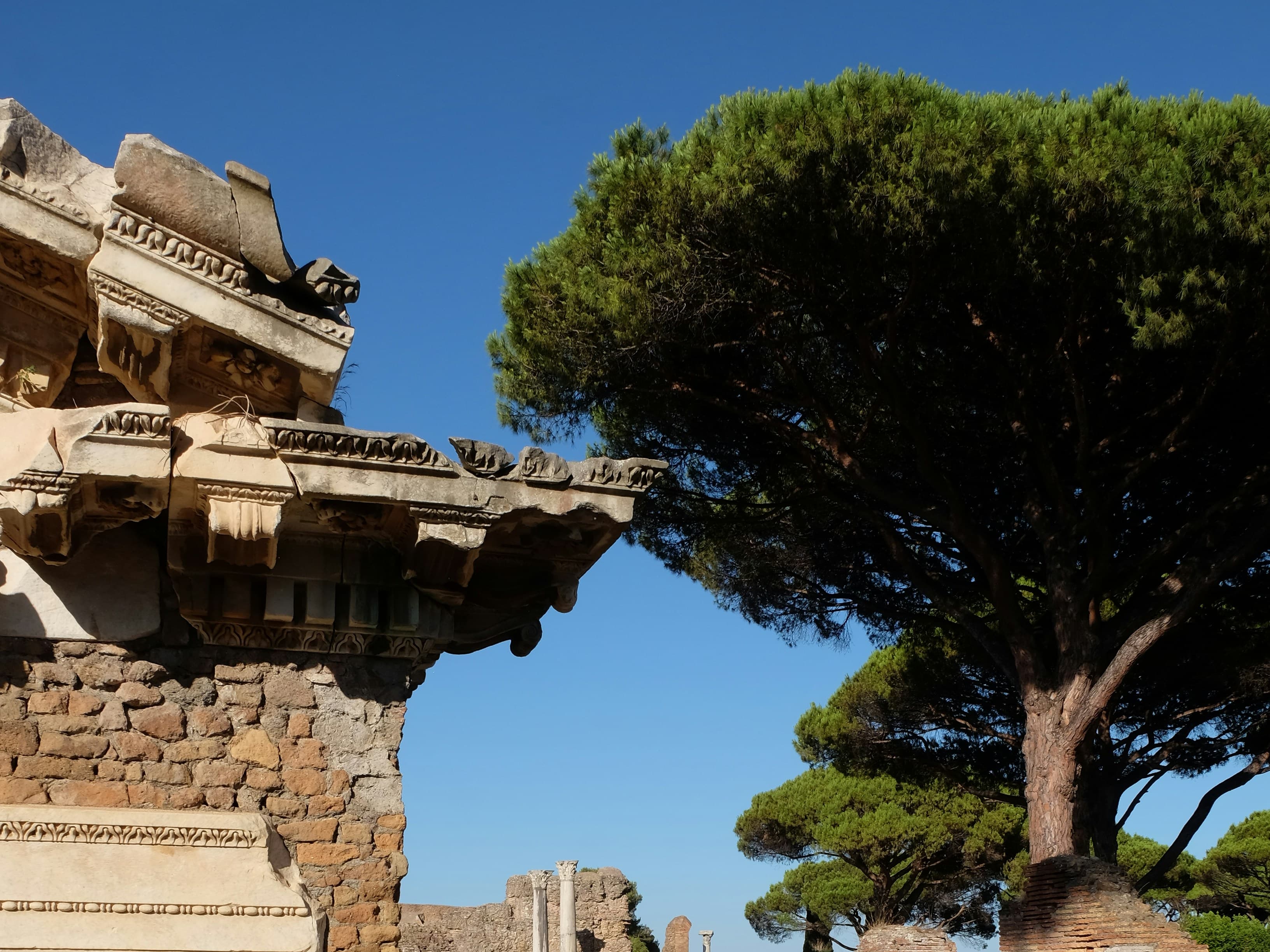
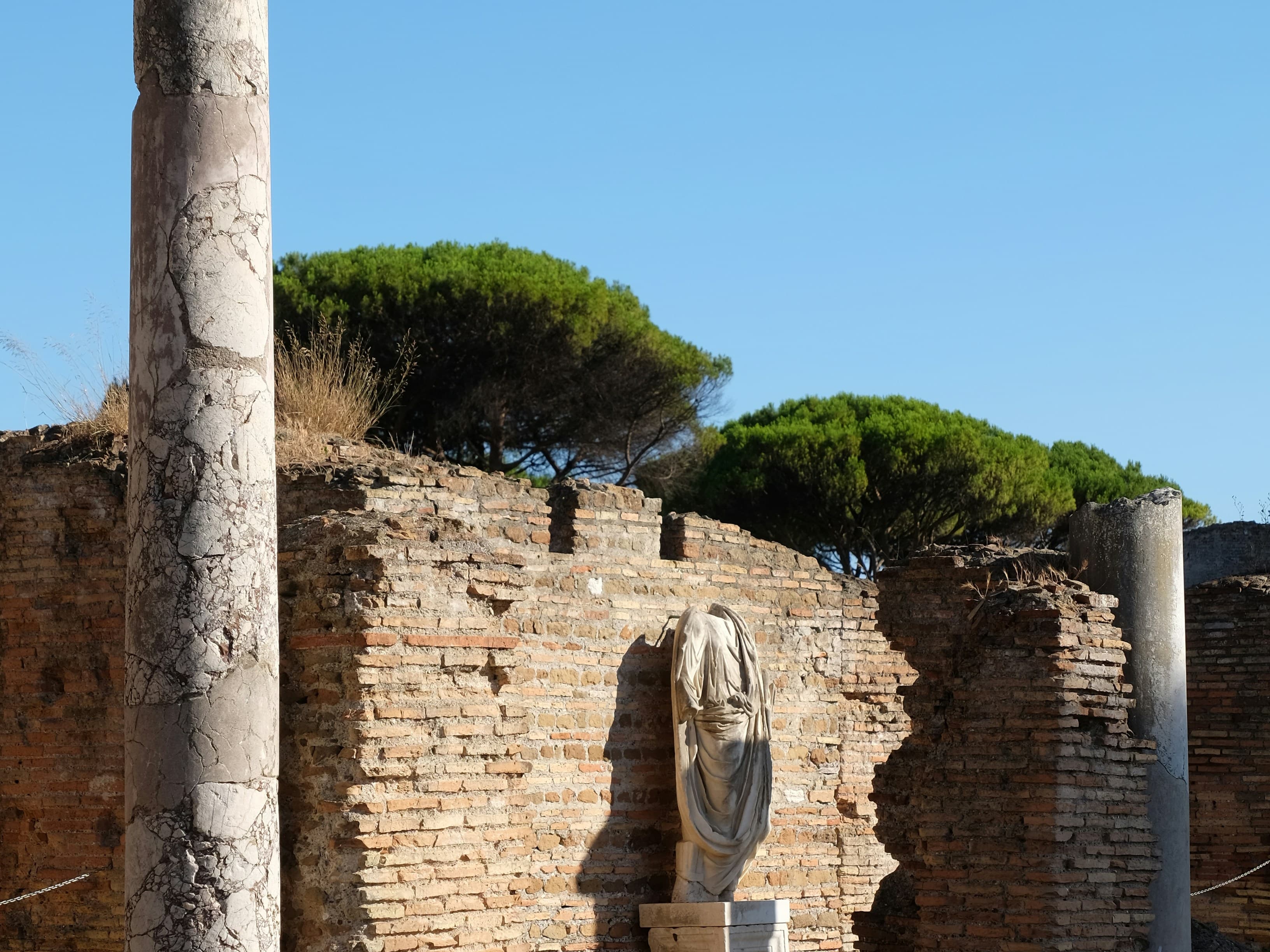
The Banditaccia Necropolis at Cerveteri is the largest ancient burial site in the Mediterranean. It predates Rome by centuries. The Etruscans carved entire underground houses for their dead, complete with rooms, furniture carved from stone, and decorative reliefs. Walking through feels like wandering a ghost city. The circular burial mounds line ancient streets. You can enter many of the tombs. Bring a flashlight. The site opens Wednesday through Sunday, 9 AM to 7:30 PM. Tickets are €6.
The gorge connecting Cerveteri to the village of Castel Giuliano hides eight waterfalls carved through volcanic rock. The Via degli Inferi (Road of the Dead) at the edge of the necropolis marks the start of the trail. A shorter version takes about 2 hours and reaches several waterfalls. The full loop through all eight takes 5-6 hours. The trail can be slippery, so wear proper hiking shoes. Phone signals are weak in the gorge, so download an offline map. In summer, some of the waterfalls have pools deep enough for swimming.
Cerveteri town has trattorias near the main piazza for lunch. The historic center is small but pleasant, with a museum in the old Palazzo Ruspoli displaying Etruscan artifacts.
If you want to relax after hiking, Santa Severa is 20 minutes away, where a medieval castle sits directly on the beach.
Getting there: Drive to Cerveteri (about 45 minutes from Rome via the A12) or take a train to Marina di Cerveteri station, then a local bus to town. The necropolis is a 25-minute walk from the center.
Day 4: The Treja Valley and Calcata

The Treja Valley is one of the most beautiful and least visited parts of northern Lazio. A river has carved deep gorges through volcanic tuff, creating waterfalls, cliffs, and dense forest. At its heart sits Calcata, a medieval village that nearly became a ghost town before artists and bohemians brought it back to life.
The Cascate di Monte Gelato (Monte Gelato Waterfalls) sit about 45 kilometers north of Rome. Romans have picnicked here for generations. Film crews from nearby Cinecittà use it as a location. Park near the old water mill, which operated until the 1960s and sits between two branches of the Treja River. You can explore the mill ruins and the surrounding Roman villa remains dating to the first century BC.
Several trails start here. The easiest follows the river for about 30 minutes each way. For a longer adventure, the trail from Monte Gelato to Calcata takes about 3.5 hours and follows the Treja through the gorge. You'll pass Etruscan tombs, cross wooden bridges, and climb through hazelnut groves before reaching the tufa cliff where Calcata perches. The terrain can be muddy after rain. Download the trail map from Parchi Lazio before you go.
Calcata Vecchia is unlike any other village in Lazio. It sits on a circular tufa outcrop surrounded by forest and gorges. In the 1930s, authorities declared it unsafe and ordered evacuation. The village emptied. Then in the 1960s, artists and outsiders moved in. Today, tiny squares hold galleries, artisan workshops, and quirky cafes. Cats sun themselves on stone walls. The views from the village edges drop straight into the valley.
La Terrazza sul Treja offers views of the valley along with traditional Lazio cooking.
Getting there: You'll need a car. From Rome, take the Via Cassia north toward Campagnano di Roma, then follow signs for Mazzano Romano and the Parco Valle del Treja.
Practical Notes

A rental car gives the most flexibility, especially for Days 2, 3, and 4. Public transport works for Day 1 and partially for Day 2.
Spring and autumn are ideal. Summer brings heat and more visitors to the lakes on weekends. Start early and plan water activities for the afternoon.
These are real communities. Don't leave trash on trails. Stay on marked paths in archaeological areas. Many restaurants are family-run, so be patient. Patronize locally-owned businesses.
Pack good walking shoes, swimsuit for lakes and waterfall pools in summer, layers, sunscreen, offline maps, and cash for smaller restaurants.
Lazio has been lived in for millennia. The Etruscans, the Romans, medieval monks, Renaissance popes, and generations of farmers all left their marks. Go slowly. Eat well. Swim in clean volcanic water. And when you return to Rome, you'll understand why locals escape to the countryside whenever they can.