This is the region most Italians think of when they think about food. Tagliatelle al ragù was born here. Parmigiano Reggiano has been made the same way for 900 years. Families still have barrels of balsamic vinegar aging in their attics that their great grandparents started.
Most tourists rush through on their way between Florence and Venice. That is a mistake. Even three days here will change how you think about Italian food. You will taste things that do not exist outside this region because they cannot be made anywhere else. The Prosciutto di Parma needs the specific air from the hills near Langhirano. The Traditional Balsamic Vinegar can only come from Modena and Reggio Emilia.
This itinerary is for people who want to eat well and understand where their food comes from. You will visit beautiful piazzas along the way but the real focus is on the producers, the markets, and the trattorias where locals actually eat.
Day 1: Bologna
.jpg)
Location: Bologna
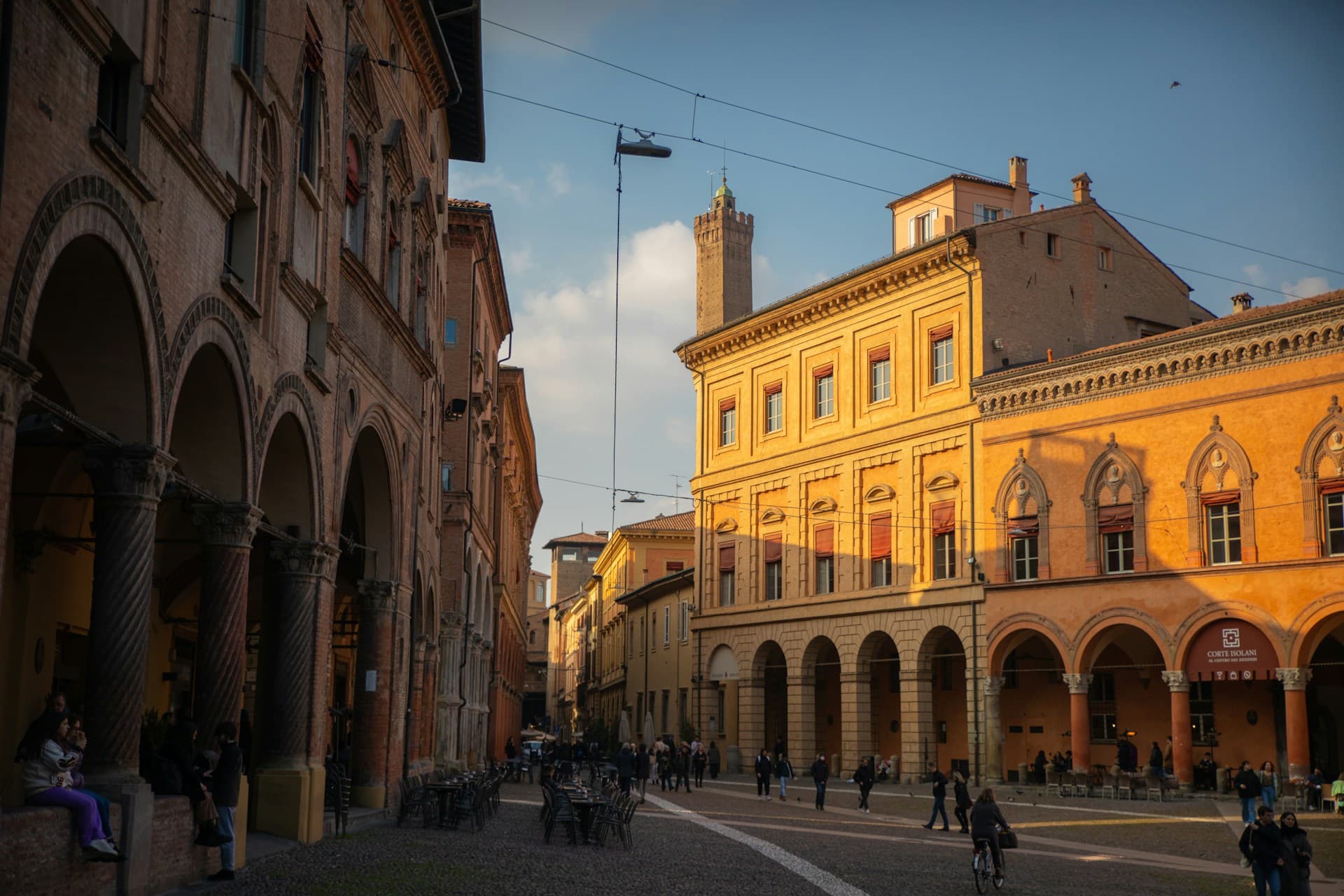
Arrive in Bologna by mid morning and head straight to Piazza Maggiore. Walk over to the Quadrilatero neighborhood, the old market area just off the main piazza. The streets are narrow and lined with food shops that have been here for generations. Stop at Salumeria Simoni for a mortadella sandwich. Real mortadella from Bologna is silky and delicate with little white dots of fat that melt in your mouth. They slice it fresh and you can eat it standing right there.
For lunch, try the fresh tagliatelle al ragù at Ramaciotto. Not spaghetti bolognese, that does not exist here. The sauce is meat heavy with just a bit of tomato, cooked low and slow for hours. No reservations, just show up around 12:30.
Spend the afternoon wandering under the porticoes. Bologna has over 40 kilometers of these covered walkways. If you have energy, climb the Asinelli Tower for views of the city's red rooftops. Almost 500 steps so be prepared.
For dinner, try Trattoria Nonna Gigia and get the tortellini in brodo if it is cold outside. The broth is golden and the tiny pasta parcels are filled with pork, prosciutto, and mortadella.
Where to Stay: I prefer staying in the historic center so you can walk everywhere. The area around Via Indipendenza has good options at different price points.
Day 2: Modena

Location: Modena (day trip from Bologna, 30 minutes by train)
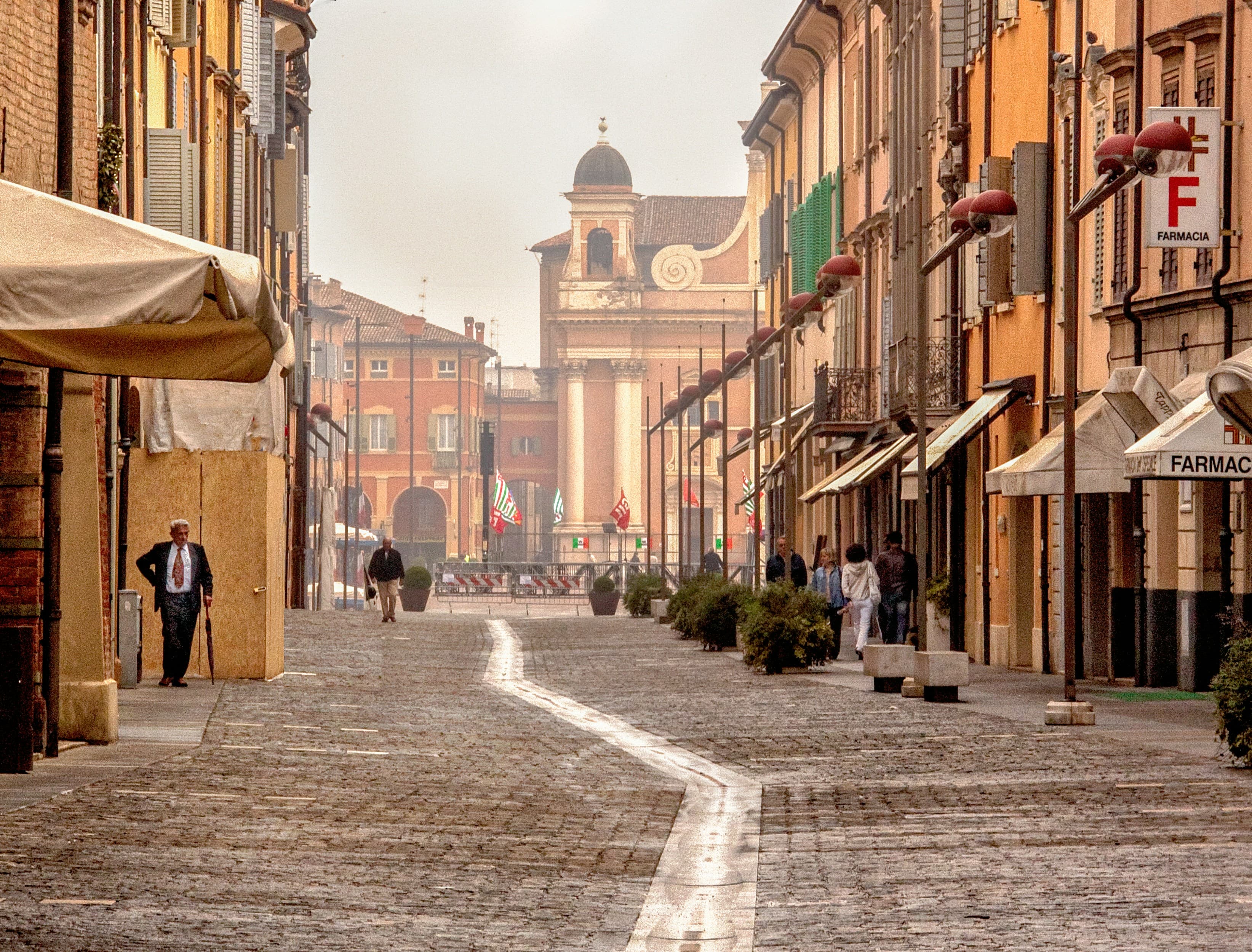
Catch an early train from Bologna Centrale. When you arrive, walk into the center (about 15 minutes) and start at Piazza Grande, a UNESCO World Heritage Site along with the Duomo and Ghirlandina tower.
Now for the reason you came: balsamic vinegar. There are two types. Balsamic Vinegar of Modena IGP is what you find in supermarkets. Traditional Balsamic Vinegar of Modena DOP is aged minimum 12 years in wooden barrels and costs much more because making it is a labor of love passed through generations.
If you have a car, visit an acetaia outside the city. Acetaia di Giorgio and Acetaia Sereni both offer tours in English. Without a car, go to Consorteria shop in the center. They represent many small producers and let you taste several vinegars to understand the differences. A 25 year old vinegar tastes completely different from a 12 year old one.
For lunch, go to Mercato Albinelli, the covered market in the center. Put together a lunch of sliced prosciutto, Parmigiano, and fresh bread. Or sit at one of the counters for a proper meal. Try erbazzone, a savory pie with chard or spinach.
Head back to Bologna for dinner or stay in Modena. If you stay, try Hosteria Giusti attached to the oldest deli in the world (since 1605). Only four tables so book well in advance.
Day 3: Parma

Location: Parma (50 minutes by train from Bologna)
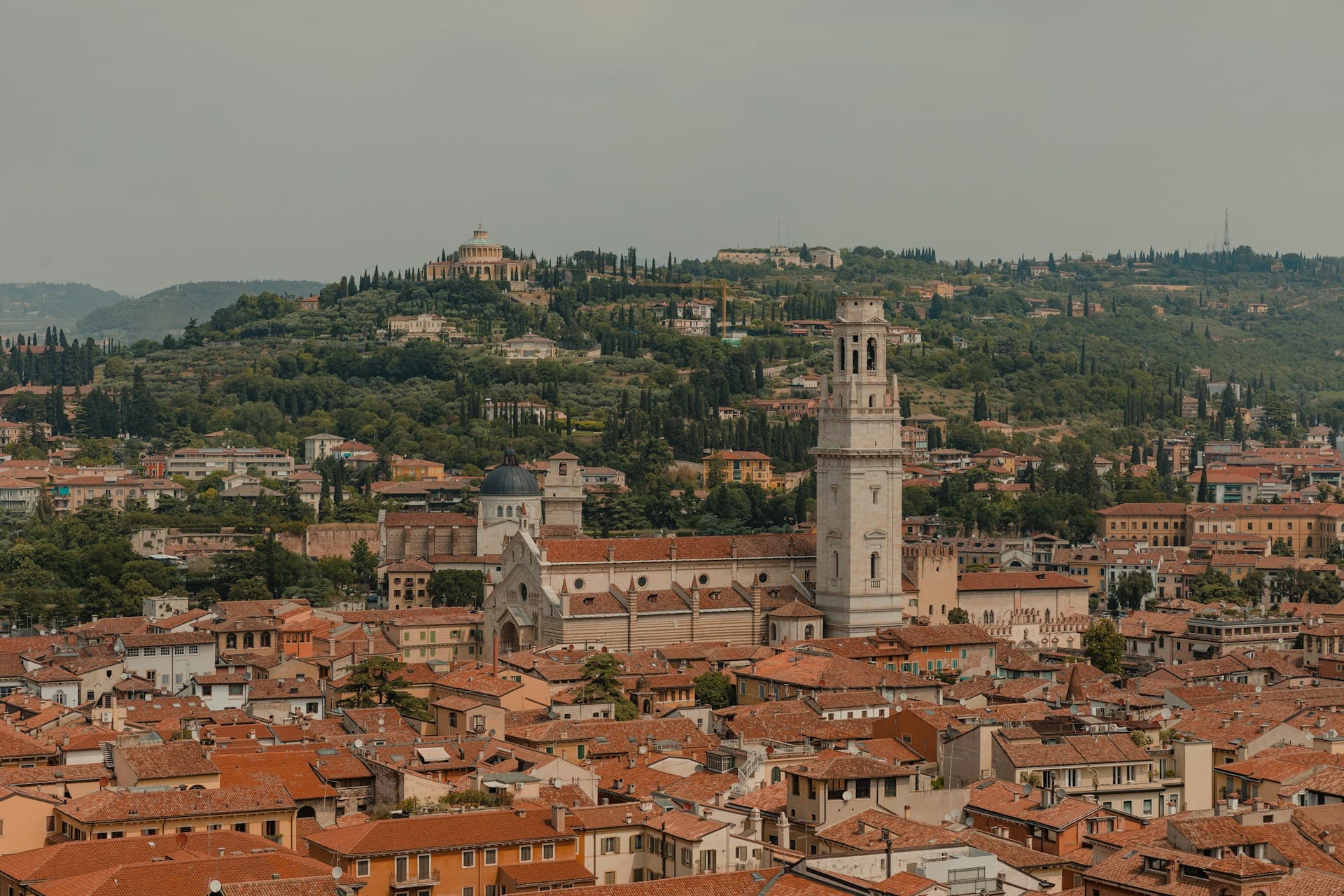
Parma is famous for two things: Parmigiano Reggiano and Prosciutto di Parma. You can taste both in the city but if you want to understand them, visit where they are made.
Several tour companies offer morning trips to a cheese dairy and prosciutto factory, departing around 8:30 or 9am. Book in advance because small group tours fill up. Parmalook and Food Valley Travel are reliable. You will learn why these products can only be made here. The cheese requires milk from cows eating specific grasses. The ham needs the sweet air from the Ligurian Sea blowing through the Langhirano hills.
If you prefer staying in the city, start at Piazza Duomo. The cathedral has incredible frescoes by Correggio that will make your neck hurt from looking up.
For lunch, go to Salumeria Garibaldi near the cathedral. A tiny place with a few outdoor tables where you get tasting boards of local meats and cheeses. Order gnocco fritto (fried bread pillows) to go with your cured meats. Not elegant but exactly what Parmigiani eat.
Walk off lunch by strolling through the old town. The Palazzo della Pilotta is worth seeing from outside. Before catching your train back, stop at a small gelateria like Cioccolateria Gelateria Banchini.
Getting Back: Trains to Bologna run frequently, about 50 minutes. From there you can connect to Florence, Venice, or Milan.
Need to know:
People here are incredibly proud of their food traditions. If you show genuine interest they will talk for hours about how their grandmother made tortellini or why their family's balsamic is better than the neighbor's. Ask questions. Be curious. This is what I love about coming here from Milan. The pace is different.
Also, Italians eat dinner late. Restaurants often do not open until 7:30 or 8pm. Have a proper lunch so you are not starving by 6pm. And bring cash because some smaller producers and market stalls do not take cards.
Best Time of Year: Spring (April to June) and fall (September to October) are ideal. Summer can be hot and August many restaurants close for vacation. Winter is fine but some acetaie have limited hours.
What to Book Ahead: Cheese or prosciutto factory tours (especially weekends), dinner at popular restaurants like Trattoria Da Me or Hosteria Giusti, and acetaia visits for the full tour experience.
Budget Tips: Trains between cities are cheap, under 10 euros each way. Eating at markets for lunch saves money. The expensive part is buying products to take home, which you will definitely want to do.
Mistakes to Avoid: Do not order spaghetti bolognese (it does not exist here). Do not buy balsamic at tourist shops. Do not skip breakfast. Do not try to see everything.
Packing Tips: Comfortable walking shoes for cobblestones. Bring empty bag space for food purchases.